
How to feel intellectually alive again
Gentle ways to wake your curiosity back up
There’s a difference between being educated and feeling intellectually alive. The latter isn’t about degrees, credentials, or impressive titles. It’s about widening your mental horizons, deepening your understanding of the world, and learning in ways that stay with you - not just check a box.
Feeling intellectually alive, in this sense, isn’t about knowing more than others. It’s about knowing more about the things that matter to you. It’s about living with intellectual richness instead of intellectual restlessness.
The good news? You don’t need a formal program, a heavy schedule, or peak motivation. You just need a few habits, a bit of guidance, and some tools that make learning delightful rather than draining.
Below are principles, approaches, and resources to help you grow your knowledge in a sustainable, expansive way.


1. Let Curiosity Lead (Not Obligation)
The best learning starts when you follow a question that feels genuinely interesting.
Ask yourself:
What topic do I keep circling back to?
What subject makes time feel faster when I explore it?
What do I wish I understood better?
Curiosity is not a checklist. It’s a compass.
Once you know what you’re curious about, learning doesn’t feel like a chore - it feels like a conversation with the world.
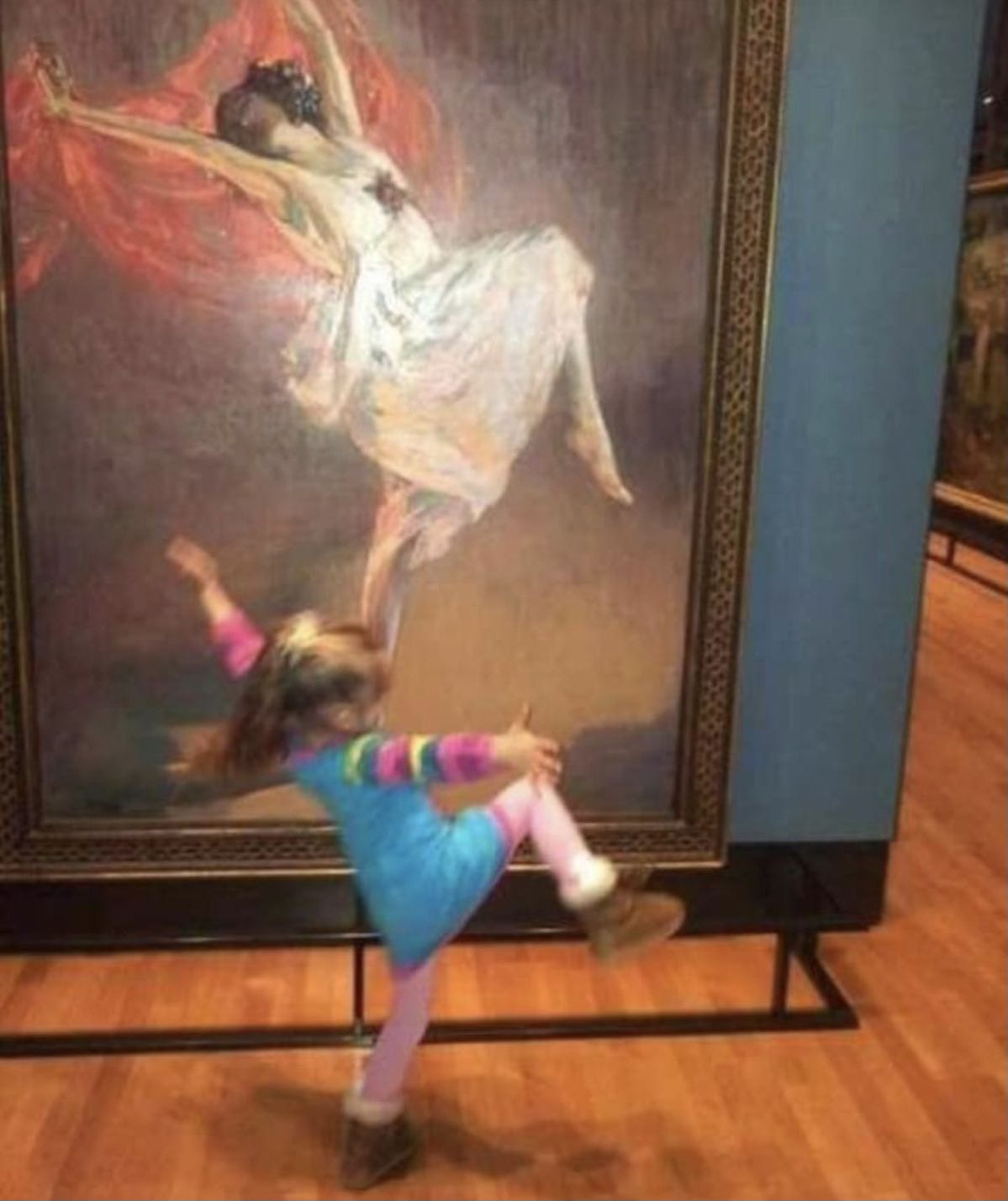
2. Learn Through Stories, Not Just Facts
Some subjects feel dry until you encounter them through narrative.
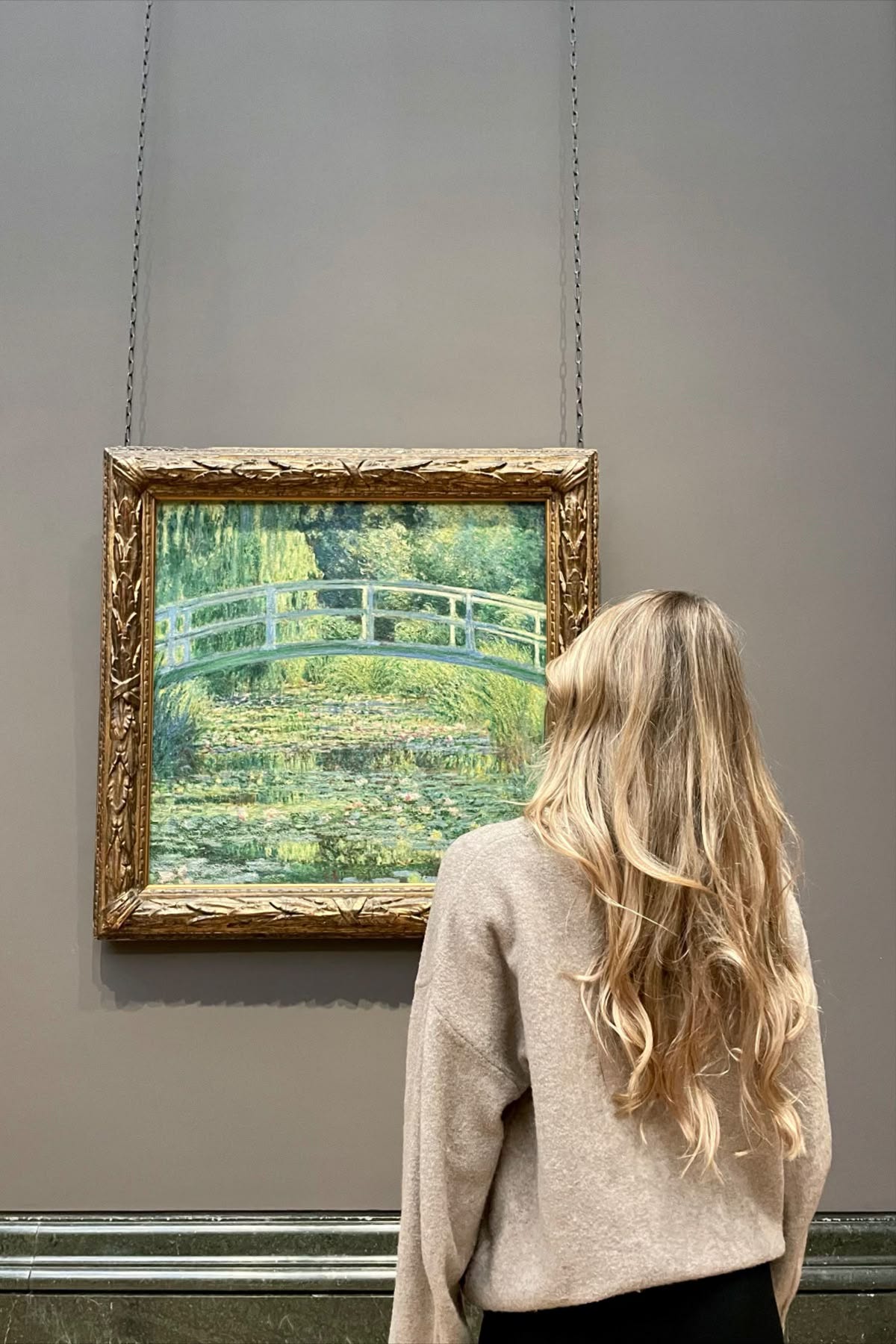
A great example is the series Great Art Explained, a channel that brings artworks to life with context, emotion, and history, so that you understand not just what was made, but why it matters:
This kind of resource shows that learning isn’t just accumulation. It’s connection.
Find stories behind the things you want to know:
The social history of a scientific discovery
The biography of a composer, writer, or philosopher
The historical context of a painting
Stories stick.
3. Read Across Genres, Not Just Depth
Becoming overeducated isn’t only about depth. It’s also about breadth.
Your learning diet matters.
Try combining:
Non-fiction deep dives (history, psychology, culture)
Narrative non-fiction (biographies, cultural essays)
Fiction that expands empathy and imagination
Philosophy that challenges assumptions
Science and evidence-based thinking
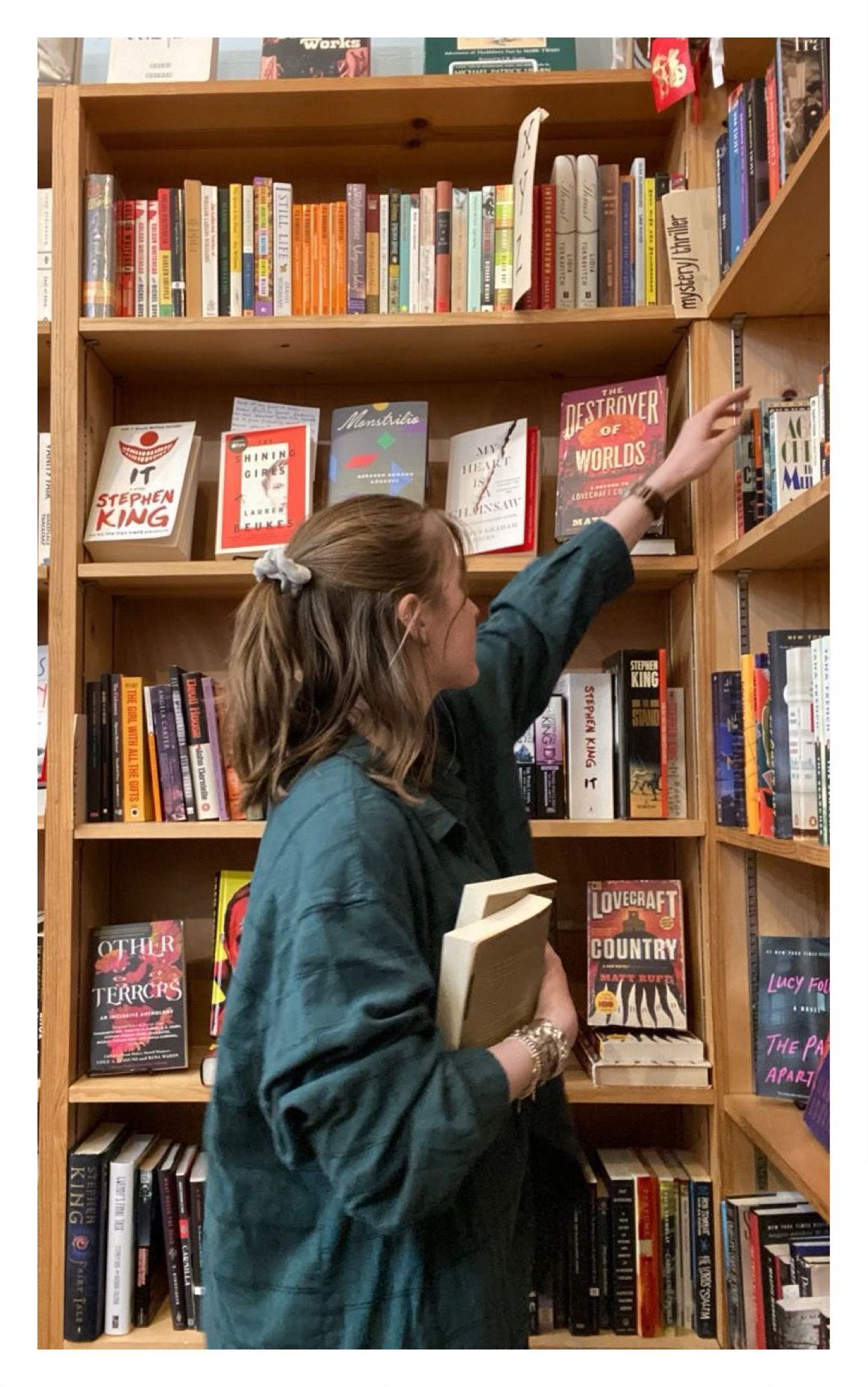
A classic way to structure this is the Three-Book Rotation:
One book that explains how the world works
One book that explores human experience
One book that stretches your imagination
Rotate between them. You’ll learn structurally, emotionally, and creatively all at once.
4. Take Mini-Courses That Aren’t About Grades
Formal education has its place, but the pressure of grades or degrees can drain the joy out of learning.
Instead, find free courses that let you explore without performance anxiety:
Coursera – free courses from universities (audit mode available)
https://www.coursera.org
edX – another platform with university-level courses
https://www.edx.org
Khan Academy – especially great for science and history foundations
https://www.khanacademy.org
The Great Courses Plus – deep lectures on humanities topics
https://www.thegreatcoursesplus.com
Audit courses at your own pace. You don’t need certificates, just curiosity.
5. Learn in Tiny Daily Doses
Overeducation doesn’t happen in great sweeps. It happens in hundreds of small steps.
Here are a few minimalist learning habits you can start today:
One article a day from a thoughtful publication (e.g., Aeon, The Atlantic, The Guardian long reads)
A short podcast episode on a topic of interest
Two pages of a non-fiction book every morning
A short video lecture while you have a cup of tea
Consistency > intensity.
Tiny daily exposure makes knowledge sticky.
6. Discuss What You Learn (Even If It’s Just in Your Head)
Learning becomes real when you use it.
You don’t need an audience to make learning stick… just reflection.
Try:
Talking about what you read with a friend
Writing a short note (1–2 paragraphs) about it
Summarising it in a voice memo
Asking yourself: “How might this idea show up in my life?”
Thought, language, and social connection turn information into insight.

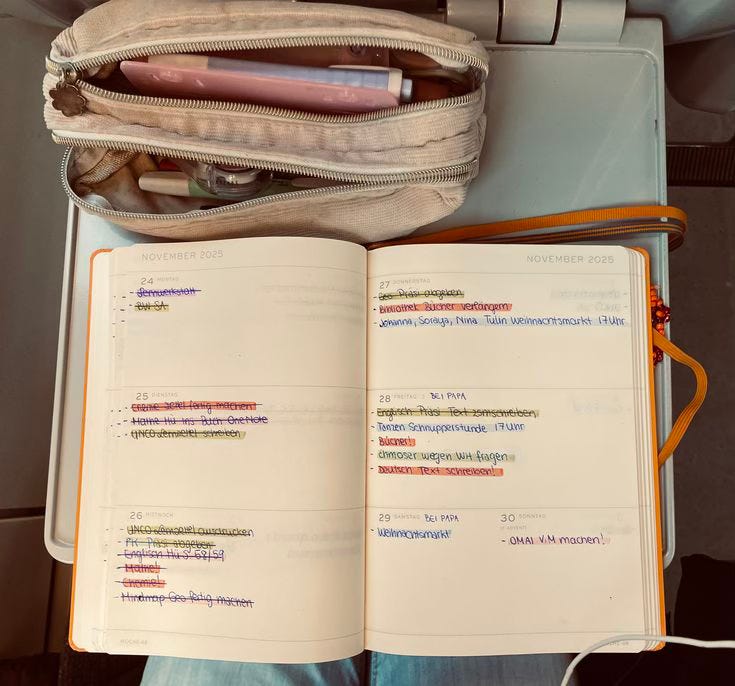
7. Keep a Learning Journal (Not a To-Do List)
A learning journal isn’t a productivity tracker. It’s a growth record.
It can be as simple as:
What I learned today
One idea that surprised me
A question that came up
Something I want to explore next
This is not about performance, it’s about presence. Overeducated people don’t just consume knowledge, they engage with it.
8. Follow the Experts, But Think for Yourself
Respect expertise. But don’t outsource your thinking to it.
Some great thinkers and teachers worth following for independent thought:
Maria Popova / Brain Pickings - deep cultural and literary synthesis
https://www.brainpickings.org/
Carl Zimmer - accessible science writing
https://carlzimmer.com/
Peter Attia - evidence-first long-form discussions (health, performance)
https://peterattiamd.com/
Philosophical YouTube channels that balance depth and clarity (e.g., School of Life, CrashCourse Philosophy)
Absorb insight, but return to your own perspective.
9. Make a “Curiosity Map” Instead of a Bucket List
A bucket list often feels like an ambition list. A curiosity map feels like a learning landscape.
Create three categories:
A. Things I Want to Understand Better (e.g., climate science, jazz history, the philosophy of identity)
B. People I Want to Read/Watch/Learn From (e.g., Hannah Arendt, Oliver Sacks, Toni Morrison)
C. Questions I Don’t Know How to Ask Yet (e.g., Why do we feel time differently as we age?)
Keep refining the map. It becomes your long-term mental terrain, not a set of deadlines.

10. Learn Things That Make Life Richer (Not Just More Efficient)
Overeducation isn’t about optimisation. It’s about context, meaning, and connection.
Examples:
The science of attention (so you notice more of your life)
The psychology of habits (so you understand behaviour)
The history of ideas (so you see the world more clearly)
Art and literature (so you feel more deeply)
Knowledge that feels alive changes how you experience the world, not just how you perform in it.
Final Thought: Education as an Orientation, Not a Status
Becoming intellectually alive doesn’t mean learning everything. It means learning consciously, curiously, and in a way that stays with you.
Education isn’t something you complete.
It’s something you live through.
And the best education is the one that turns your life into the material of your learning.
Until next time,
Allie
—
Join me on instagram + youtube + pinterest for more 🫶🏼
Enjoyed reading this and still true at 70 yrs young. Thanks.
Becoming overeducated isn’t only about depth. It’s also about breadth. I couldn't agree more. The people I enjoy the most are the ones who engage on a multitude of topics.